

Gout Treatment
in Katy, TX
A gout attack in the foot can be one of the most intense pain experiences a person ever goes through. Advanced Ankle & Foot provides fast, effective relief for acute gout flares — and a long-term management plan to reduce uric acid levels, prevent future attacks, and protect your joints from permanent damage.
Why Patients Choose Us
9M+
Americans affected by gout — the most common inflammatory arthritis
28 Yrs
Dr. Burdge’s experience in podiatric care
500+
Full
Acute flare relief plus long-term prevention planning
21524 Kingsland Blvd, Katy, TX 77450
(281) 829-9315
Mon–Fri: 8am–5pm
5.0 Rating · 500+ Reviews
What Is Gout?
Gout is a form of inflammatory arthritis caused by an abnormal buildup of uric acid in the bloodstream. When uric acid levels become too high, sharp, needle-like urate crystals form and deposit in the joints — most commonly the joint at the base of the big toe. The result is a sudden, severe attack of pain, swelling, redness, and warmth that can make even the light touch of a bed sheet unbearable.
Gout attacks typically strike without warning — often overnight — and reach peak intensity within 12 to 24 hours. Without treatment, an acute attack can last one to two weeks. In between attacks, uric acid crystals continue to accumulate silently in the joint, and attacks tend to become more frequent and longer-lasting over time.
Repeated gout attacks cause permanent joint damage. Over years of untreated or undertreated gout, urate crystal deposits — called tophi — form under the skin around joints and in tendons, causing chronic pain, deformity, and serious loss of function. The kidneys can also be affected, as urate crystals accumulate there as well.
Gout is highly manageable with the right combination of acute treatment and long-term uric acid control. Dr. Burdge addresses both the immediate flare and the underlying metabolic condition — working with your primary care physician when needed to ensure your uric acid levels are properly controlled over time.
Who Is at Risk?
Men Over 40
Men are significantly more likely to develop gout than women and tend to develop it earlier. After menopause, women’s risk increases and approaches that of men by age 60.
Those with a High-Purine Diet
Red meat, organ meats, shellfish, and alcohol — particularly beer — raise uric acid levels and are among the most common dietary triggers for gout attacks.
Patients with Kidney Disease or Diabetes
The kidneys filter uric acid from the blood. When kidney function is reduced, uric acid builds up more quickly. Diabetes and metabolic syndrome also increase gout risk significantly.
Those on Certain Medications
Diuretics (water pills), low-dose aspirin, and some blood pressure medications can raise uric acid levels and trigger gout attacks in susceptible individuals.
Accurate Diagnosis First
Several foot conditions can mimic gout — including infection, fracture, and other forms of arthritis.
Fast Flare Relief
Acute gout attacks are treated promptly with anti-inflammatory medication and joint protection to shorten the duration.
Prevents Permanent Joint Damage
Repeated attacks without proper uric acid control cause irreversible joint destruction and tophi deposits.
Coordinated with Your Care Team
Gout management often involves working alongside your primary care physician or rheumatologist. Communicates with broader care team to ensure nothing is missed.
How Gout Is Treated
Acute gout attacks are treated with anti-inflammatory medications — most commonly NSAIDs (such as indomethacin or naproxen), colchicine, or corticosteroids — to rapidly reduce joint inflammation and pain. The affected joint is protected and elevated, and activity is temporarily limited to allow the crystals to stabilize.
Once the acute flare has resolved, the focus shifts to long-term uric acid management. Dr. Burdge evaluates your uric acid levels, identifies dietary and lifestyle triggers, and coordinates with your primary care physician regarding uric acid-lowering medications — such as allopurinol or febuxostat — that reduce the frequency and severity of future attacks.
For patients with chronic tophaceous gout — where large urate deposits have formed around joints or in tendons — surgical removal of tophi may be necessary to relieve pressure, restore joint function, and prevent further tissue damage. Dr. Burdge evaluates surgical candidacy and performs these procedures at leading Katy-area hospital facilities when indicated.
Your Treatment Journey
From the first painful flare to long-term gout control — here’s how Dr. Burdge guides you through every stage of care.
Diagnosis & Flare Assessment
Dr. Burdge examines the affected joint, reviews your history, and may order blood work or imaging to confirm gout and rule out other causes of acute joint pain.
Acute Flare Treatment
Anti-inflammatory medication is prescribed to reduce pain and swelling as quickly as possible. Joint protection and activity modification are guided for the duration of the flare.
Uric Acid & Prevention Planning
After the flare resolves, Dr. Burdge evaluates uric acid levels, identifies triggers, and works with your care team on a dietary and medication plan to prevent future attacks.
Long-Term Monitoring
Regular follow-up visits monitor joint health, uric acid levels, and the effectiveness of the prevention plan — adjusting as needed to keep gout under control for the long term.
Personalized Treatment Plans for Every Patient
Dr. Burdge tailors every gout treatment plan based on attack frequency, uric acid levels, overall health, dietary habits, and any co-existing conditions like diabetes or kidney disease that require extra care.
Acute Flare Management
Fast-acting anti-inflammatory treatment to shorten the duration of the attack and restore comfort as quickly as possible.
- NSAIDs, colchicine, or corticosteroids
- Joint protection and elevation
- Activity modification guidance
- Immediate pain and swelling relief
Uric Acid Evaluation
Blood work to measure serum uric acid levels and identify how far above normal your levels are — the foundation of any effective long-term prevention plan.
- Serum uric acid measurement
- Kidney function evaluation
- Identifies severity of the condition
- Guides medication and lifestyle decisions
Dietary & Lifestyle Guidance
Specific dietary changes can meaningfully reduce uric acid levels and the frequency of gout attacks — without medication alone carrying the entire burden.
- High-purine food identification
- Alcohol and hydration guidance
- Weight management support
- Sustainable, practical recommendations
Key Benefits of Gout Treatment
Gout is one of the most painful — and most preventable — conditions affecting the foot and ankle. With the right treatment plan, attacks become less frequent, less severe, and eventually stop altogether. Advanced Ankle & Foot provides both the acute care and long-term strategy you need.
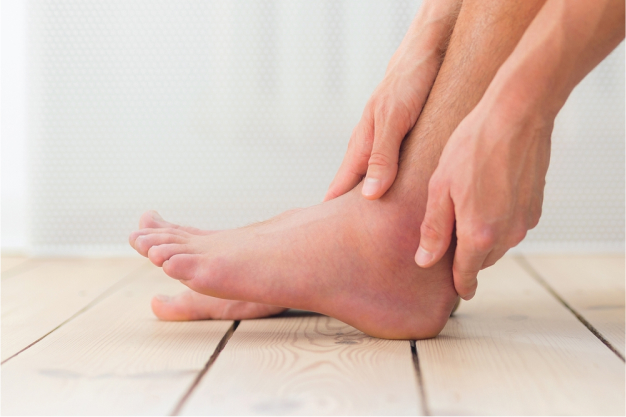
Fast Relief When You Need It Most
Acute gout attacks are among the most painful experiences in medicine. Dr. Burdge provides fast-acting treatment that shortens the duration and intensity of every flare.
Prevents Attacks from Coming Back
A combination of dietary changes, uric acid monitoring, and urate-lowering therapy — when indicated — dramatically reduces attack frequency and in many cases eliminates future flares entirely.
Protects Joints from Permanent Damage
Every gout attack that goes untreated or is poorly managed deposits more urate crystals in the joint — causing damage that accumulates over years and cannot be reversed. Getting ahead of gout with a proper long-term plan is the only way to protect your joints and maintain full function for life.
Accurate Diagnosis — Gout vs. Other Conditions
Gout can be mistaken for joint infection, fracture, or other forms of arthritis. Dr. Burdge confirms the diagnosis accurately before treatment begins — because treating the wrong condition delays the relief you need.
Get Relief Now — and Stop the Next Attack Before It Starts
Gout is painful, but it is also highly manageable.
Schedule your evaluation with Dr. Burdge and find out why
Advanced Ankle & Foot is Katy’s most trusted podiatry practice.
Katy Office
- 21524 Kingsland Blvd, Katy, TX 77450
-
Mon: 8am - 5pm
Tues: 8am - 5pm
Wed: 9am - 5pm
Thur: 8am - 5pm
Fri: 9am - 5pm