

Plantar Warts
Treatment in Katy, TX
Over-the-counter wart remedies can be inconsistent on the thick skin of the foot. Advanced Ankle & Foot provides professional plantar wart treatment that targets the infection and supports safe healing. If a wart is painful, spreading, or not improving, Dr. Burdge can evaluate it and recommend an appropriate treatment plan.
Why Patients Choose Us
Pro
Professional evaluation and treatment options for stubborn foot warts
28 Yrs
Dr. Burdge’s experience in podiatric care
500+
Safe
For all ages including children and diabetic patients
21524 Kingsland Blvd, Katy, TX 77450
(281) 829-9315
Mon–Fri: 8am–5pm
5.0 Rating · 500+ Reviews
What Are Plantar Warts?
Plantar warts are benign growths that develop on the sole of the foot — most commonly on the heel and ball of the foot where pressure is greatest. They are caused by the human papillomavirus (HPV), which enters the skin through tiny cuts, breaks, or areas of weakened skin on the bottom of the foot.
Unlike warts on other parts of the body, plantar warts grow inward rather than outward because of the constant pressure placed on the bottom of the foot during walking and standing. This gives them a flat, hardened appearance with a rough surface and small black dots — actually tiny clotted blood vessels — visible at the center.
Plantar warts can be painful, particularly when walking or standing. The pressure of body weight pushes the wart inward and creates a sensation similar to having a small stone in your shoe. They can also cluster into mosaic warts — large patches of multiple smaller warts that cover a wider area and are significantly harder to treat with home remedies.
Over-the-counter salicylic acid treatments can be inconsistent on plantar warts because the skin on the sole of the foot is thick and the virus can sit deep within the tissue. Professional treatment helps treat the wart and may reduce the chance of continued spread to nearby skin or shared surfaces.
Who Is at Risk?
Children & Teenagers
The immune system in younger patients is still developing its response to HPV, making children and teens significantly more susceptible to plantar warts than healthy adults.
People Who Use Public Pools or Locker Rooms
The HPV virus thrives in warm, moist environments. Walking barefoot in gyms, pool decks, and locker rooms is one of the most common ways plantar warts are contracted.
Those with Weakened Immune Systems
Patients with diabetes, autoimmune conditions, or those taking immunosuppressive medications are less able to fight off HPV and more prone to persistent or recurring plantar warts.
Anyone with Cuts or Dry, Cracked Skin
HPV enters through breaks in the skin. Dry, cracked heels and small cuts or abrasions on the sole create entry points that increase the risk of infection.
Correct Diagnosis First
Several foot conditions can look like plantar warts — including corns, calluses, and in rare cases, more serious lesions.
Stops the Spread
Plantar warts spread easily — to nearby skin on your own foot and to others through shared surfaces.
Treats Stubborn & Mosaic Warts
Large clusters of plantar warts — known as mosaic warts — are very difficult to clear.
Treatment Tailored to Age and Health History
Treatment is tailored to the patient. Children, elderly patients, and those with diabetes all receive appropriate care.
How Plantar Warts Are Treated
Dr. Burdge uses several proven treatment methods depending on the wart’s size, depth, location, and the patient’s health history. The most common approach is cryotherapy — the application of liquid nitrogen to freeze and destroy the wart tissue. This causes the infected tissue to blister, die, and fall away over one to two weeks. Multiple sessions may be needed for deep or stubborn warts.
For warts that do not respond to cryotherapy, clinical-strength topical acids — such as high-concentration salicylic acid or trichloroacetic acid — are applied in-office to chemically destroy the wart tissue layer by layer. Surgical excision or electrosurgery may be used for persistent cases that fail other treatments.
In all cases, Dr. Burdge removes the overlying callus to allow the treatment to penetrate effectively. Most patients walk out of the office the same day and experience minimal disruption to daily activity.
Your Treatment Journey
From your first visit through follow-up care, here’s what to expect when treating plantar warts at Advanced Ankle & Foot.
Examination & Diagnosis
Dr. Burdge examines the growth to confirm it is a plantar wart, determines the type and extent, and rules out other conditions that can look similar.
Treatment Plan
Based on the wart size, location, number, and your health history, Dr. Burdge selects the most effective treatment — cryotherapy, topical acid, or excision.
In-Office Treatment
Treatment is performed the same day. The session typically takes 15 to 30 minutes. Most patients walk out immediately and return to normal activity.
Follow-Up & Clearance
Dr. Burdge monitors the treated area at follow-up visits and repeats treatment if needed until the wart is completely cleared and the skin has healed.
Personalized Treatment Plans for Every Patient
Dr. Burdge selects the right treatment based on wart size, depth, number, and patient health — with extra care taken for children and patients with diabetes or compromised immunity.
Cryotherapy (Liquid Nitrogen)
The most widely used professional treatment for plantar warts. Liquid nitrogen is applied to freeze and destroy the infected tissue.
- Most common in-office treatment
- Quick — completed in a single visit
- Effective for single and multiple warts
Clinical-Strength Topical Acid
High-concentration salicylic acid or trichloroacetic acid is applied in-office to chemically destroy wart tissue layer by layer.
- Penetrates thick plantar skin effectively
- Ideal for flat or wide warts
- Often combined with cryotherapy
- Walk out same day
Surgical Excision
For persistent warts that have not cleared with other treatments, surgical removal under local anesthesia may be a more direct treatment option for select resistant cases.
- More direct treatment for select resistant cases
- Performed under local anesthesia
- Reserved for resistant cases
- Minimal recovery time
Key Benefits of Professional Plantar Wart Treatment
Professional treatment at Advanced Ankle & Foot is often more effective than many over-the-counter options for stubborn, painful, or clustered warts that have resisted home treatment for months. Learn more about related toenail and skin conditions and our pediatric and specialized foot care.
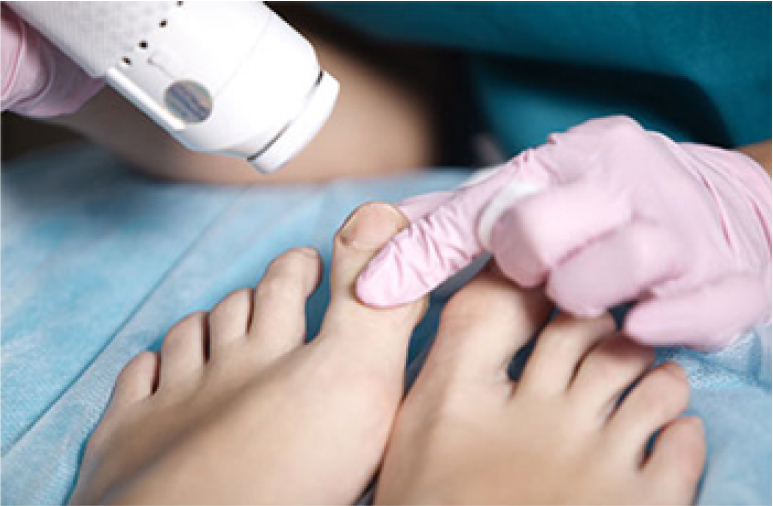
Treats Stubborn Warts More Safely
Clinical treatments penetrate the thick plantar skin and treat HPV-related wart tissue more directly than many pharmacy products can for deep or stubborn warts.
Stops the Virus from Spreading
Left untreated, plantar warts can spread across the foot and may be passed through shared surfaces. Professional treatment helps treat the wart and may reduce the chance of continued spread.
Accurate Diagnosis Matters
Not every growth on the bottom of the foot is a plantar wart. Dr. Burdge has identified rare and unusual lesions that other providers have missed.
Treats Children Safely & Gently
Dr. Burdge has decades of pediatric podiatry experience. He takes special care to make the experience comfortable for children while ensuring the treatment is thorough and complete.
When to See a Podiatrist for a Plantar Wart
Many plantar warts are not emergencies, but they can become painful, spread, or resist over-the-counter treatment. Schedule a podiatry visit if the spot hurts when you walk, keeps coming back, appears in a cluster, bleeds, changes color, or you are not sure it is a wart. Children, people with diabetes, and patients with circulation or immune-system concerns should avoid aggressive at-home removal and have the area checked before using strong acids or cutting the skin.
At Advanced Ankle & Foot, Dr. Burdge examines the lesion, confirms whether it is a plantar wart, and recommends a treatment plan based on the wart’s size, depth, location, and your health history.
Plantar Wart Treatment FAQs
Can a plantar wart go away on its own?
Some plantar warts go away without treatment, especially in children, but this can take months or longer. If the wart is painful, spreading, or affecting the way you walk, a podiatrist can confirm the diagnosis and discuss treatment options.
When should I see a doctor for a plantar wart?
See a podiatrist if the growth is painful, keeps coming back, forms a cluster, bleeds, changes appearance, or does not improve with careful over-the-counter care. You should also schedule an exam if you have diabetes, poor circulation, neuropathy, or a weakened immune system.
What treatments can a podiatrist use for plantar warts?
Treatment may include careful debridement of thick skin, cryotherapy, clinical-strength topical medication, or removal procedures for resistant cases. Dr. Burdge recommends the option that fits the wart and the patient’s health history.
Are home remedies enough for foot warts?
Home treatments may help some mild warts, but plantar warts sit under thick weight-bearing skin and can be difficult to treat safely. Avoid cutting into the skin or using aggressive chemicals, especially for children or patients with diabetes. If you are unsure, have the wart evaluated first.
Can children get plantar warts?
Yes. Children and teenagers can develop plantar warts, especially if they walk barefoot around pools, locker rooms, or shared damp surfaces. A podiatrist can help confirm the diagnosis and choose an age-appropriate treatment approach.
How many treatments can a plantar wart need?
The number of visits varies with the wart’s size, depth, location, whether it is part of a cluster, and how it responds. Dr. Burdge can explain the recommended approach and follow-up schedule after examining the area.
For a broader overview of symptoms, causes, and common care options, read our plantar warts treatment guide.
Stop Letting a Wart Run Your Life
If a plantar wart is painful, spreading, or not improving, request an appointment with Dr. Burdge for an evaluation and treatment recommendation.
Katy Office
- 21524 Kingsland Blvd, Katy, TX 77450
-
Mon: 8am - 5pm
Tues: 8am - 5pm
Wed: 9am - 5pm
Thur: 8am - 5pm
Fri: 9am - 5pm


