

When Is Foot Surgery Necessary? Patient Guide
Persistent foot pain can severely limit daily activities and quality of life. Many people wonder when is foot surgery necessary and what the most effective treatments are for various foot conditions. Understanding when surgical intervention becomes necessary versus when conservative care is sufficient is key to a successful recovery.
If you are suffering from persistent foot or ankle pain, request an appointment with Advanced Ankle & Foot in Katy, TX, for a personalized evaluation, or call 281-829-9315 today.
When is foot surgery necessary? Foot surgery is considered necessary only after a comprehensive, professional evaluation shows that conservative treatments have failed to alleviate symptoms or correct structural issues. Conditions such as severe bunions, rigid hammertoes, chronic Achilles tendonitis, or advanced arthritis may require surgery to restore function and reduce pain. Doctors typically exhaust non-surgical options like physical therapy, custom orthotics, medication, and lifestyle adjustments first. The decision to operate is highly individualized, based on the patient’s pain level, overall health, and specific condition severity.
This article will explore the careful process of determining the best course of action. We begin with The Conservative-First Philosophy: Our Stepwise Approach to Podiatric Care.
The Conservative-First Philosophy: Our Stepwise Approach to Podiatric Care
At Advanced Ankle & Foot, we believe in a conservative-first philosophy, exhaustively exploring non-surgical treatments before considering surgery. Our stepwise care progression begins with simple, non-invasive therapies to resolve symptoms. Surgery is a final option, recommended only when conservative efforts fail to provide lasting relief and a clear diagnosis indicates that a surgical procedure is appropriate.
Understanding Our Stepwise Care
We follow a clear, stepwise progression in treating foot and ankle conditions. This process typically begins with simple, non-invasive therapies. These might include custom orthotics, physical therapy, medication, or specific exercises. Each step is carefully evaluated for its effectiveness before moving to the next. This careful approach ensures we do not rush into more complex interventions.
When Surgery Becomes an Option
Surgery is considered a final option, not a first choice. It is pursued only after a thorough diagnosis and when conservative treatments have not provided sufficient relief. Our team of specialists ensures a precise diagnosis, which is crucial for determining the right course of action. We discuss all risks and benefits, making sure you are fully informed. We always prioritize your long-term health and well-being, aiming for lasting results with the least possible intervention. For more information, you can explore our treatments and therapies.
When is Foot Surgery Necessary for Common Deformities like Bunions?
Foot surgery for bunions is necessary when chronic pain, inflammation, and joint stiffness limit daily mobility and do not improve with conservative care. While wide toe-box shoes and custom orthotics can manage early symptoms, advanced joint misalignment requires surgical realignment to restore comfort and function.
Non-surgical treatments like wider shoes, padding, and pain medication can manage mild symptoms. However, as bunions progress, they can lead to chronic pain, inflammation, and further toe deformities. When these conservative methods no longer provide relief, surgery may be the most effective solution to restore comfort and function.
Bunion Severity: When to Consider Surgery
The decision for surgery is highly personal and often driven by the level of pain and disruption to normal activities. It’s not just about the size of the bunion, but its impact on your quality of life. Evaluating symptoms against treatment options helps determine the right path.
| Bunion Severity | Symptoms | Non-Surgical Options | Surgical Criteria |
|---|---|---|---|
| Mild | Occasional pain, slight toe deviation. | Wider shoes, bunion pads, pain relievers. | Rarely needed; only if pain is persistent despite conservative care. |
| Moderate | Frequent pain, difficulty finding comfortable shoes, inflammation. | Custom orthotics, physical therapy, anti-inflammatory drugs. | Considered if conservative treatments fail to relieve significant pain or limit activity. |
| Severe | Chronic pain, significant toe overlap, impact on daily activities. | Pain management, protective footwear. | Recommended when severe pain limits walking, standing, or normal footwear, and all other options are exhausted. |
Surgical Procedures for Bunions
Bunion surgery, or a bunionectomy, aims to correct the deformity and relieve pain. The specific procedure depends on the bunion’s severity and the foot’s structure. Often, this involves making an incision to access the affected bones and soft tissues.

A common approach is to cut and realign the metatarsal bone, which is the long bone connecting to your big toe. This helps correct the angle of the toe. Screws, wires, or plates are often used to hold the bones in their new, corrected position during healing. Recovery involves a period of limited weight-bearing and physical therapy to ensure proper healing and restore mobility. Learn more about bunions and treatment options on our dedicated bunions page.
Rigid Hammertoes vs. Flexible Hammertoes: When is Correction Needed?
Determining when a hammertoe needs surgical correction depends on whether the deformity is flexible or rigid. Flexible hammertoes can be straightened by hand and are treated non-surgically with splints and roomier shoes. Rigid hammertoes have stiff, contracted joints that cause chronic pain and require surgical intervention to realign the toe.
Flexible Hammertoes: Early Intervention
Flexible hammertoes are less severe. The affected toe can still be straightened by hand. This means the soft tissues around the joint have not yet tightened permanently. Early treatment focuses on non-surgical methods.
Options include using splints or pads to help straighten the toe. Changes in footwear are also important. Choosing shoes with a roomy toe box can reduce pressure and pain. These simple steps can often improve flexible hammertoes, helping to avoid more involved treatments later. For more information on conservative therapies and preventative foot care, explore our specialized foot care services.
Rigid Hammertoes: When Surgery Becomes Necessary
Rigid hammertoes are more advanced. The toe joint has become stiff and cannot be straightened by hand. This happens when the tendons and ligaments around the joint contract and tighten over time. This fixed deformity often leads to chronic pain and difficulty with daily activities.
Unlike flexible hammertoes, rigid deformities usually require surgery. The goal of surgery is to straighten the toe joint and relieve pain. Procedures may involve releasing tight tendons or fusing the joint. According to the National Institutes of Health, surgical correction can restore function and comfort for patients with rigid hammertoes. This becomes essential when daily life is significantly impacted.
Do you have a rigid hammertoe or progressive bunion that is making it difficult to walk? Don’t let foot pain limit your life. Schedule an evaluation with Dr. Burdge at Advanced Ankle & Foot today to explore your options.
Choosing the Right Treatment Path
The choice between non-surgical and surgical treatment depends on the hammertoe’s flexibility. Early action with flexible hammertoes can prevent them from becoming rigid. If a hammertoe is causing discomfort or affecting your ability to walk, it is important to see a foot specialist. They can diagnose the type of hammertoe and suggest the most effective treatment plan for your specific needs.
Chronic Heel Pain and Invasiveness: Can EPAT and Laser Therapy Help?
Chronic heel pain, typically caused by plantar fasciitis, can often be resolved without invasive surgery. Advanced, non-surgical options like Extracorporeal Pulse Activation Technology (EPAT) shockwave therapy stimulate biological tissue healing and blood flow, while low-level laser therapies treat chronic conditions, helping patients avoid surgery entirely.
EPAT Therapy for Heel Pain
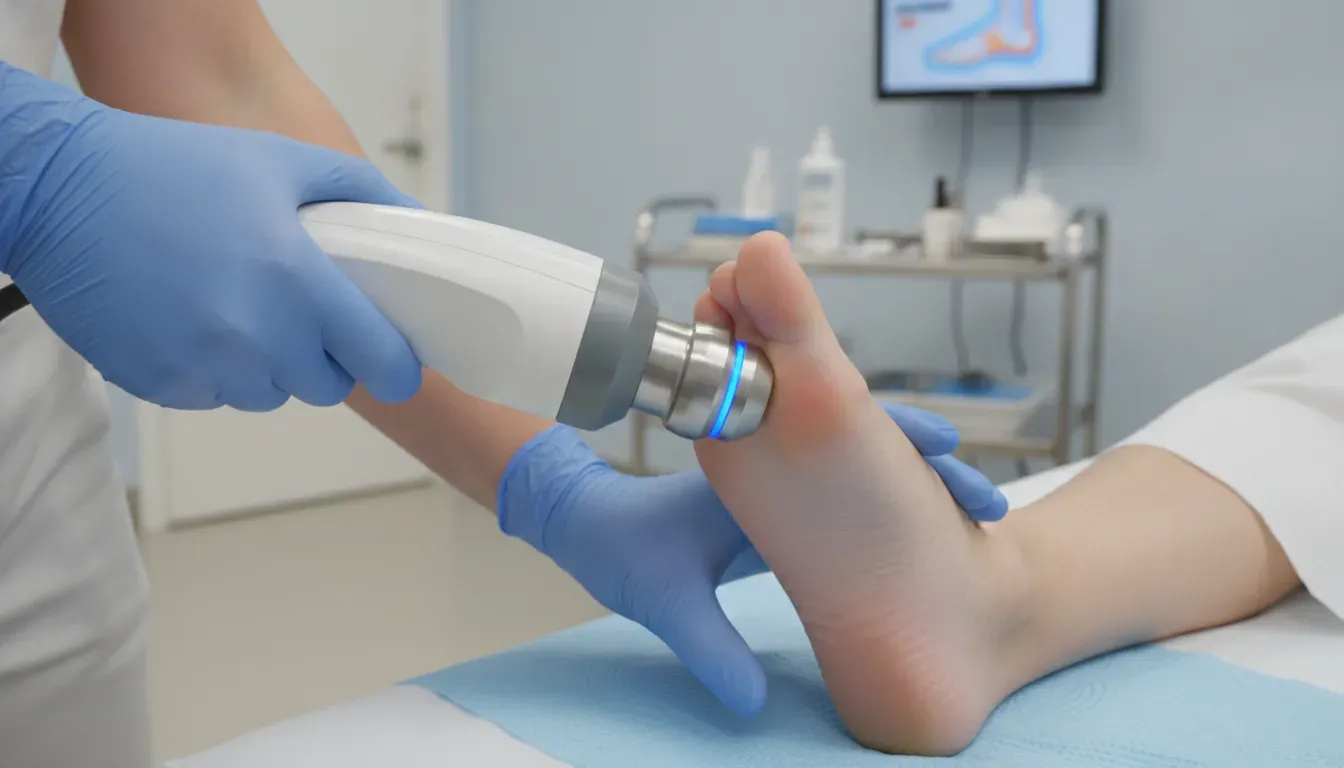
Extracorporeal Pulse Activation Technology (EPAT), also known as shockwave therapy, is a non-invasive treatment for chronic heel pain. It uses acoustic waves to stimulate healing in damaged tissues. This therapy can reduce pain and improve function without incisions or downtime.
EPAT targets the source of discomfort, promoting new blood vessel formation and tissue regeneration. Clinical studies and patient outcomes at Advanced Ankle & Foot show that EPAT is highly effective for plantar fasciitis, with more than 80% of patients reporting significant pain reduction and better mobility within just a few sessions. It provides a valuable alternative to surgical intervention for those seeking relief from chronic heel pain.
Laser Therapy for Fungal Nails
Fungal nail infections (onychomycosis) are also common and often resistant to topical treatments. While not directly related to heel pain, managing foot health broadly helps overall comfort. Erchonia Lunula laser therapy offers a non-invasive way to treat fungal nails, which can prevent more severe foot issues.
This low-level laser uses specific wavelengths to target the fungus without harming the nail or surrounding skin. It has a proven 95% success rate in promoting clear, healthy nail growth, and is pain-free with no known side effects, making it a gentle option for patients concerned about invasive procedures or oral medications. This treatment improves nail appearance and health. Learn more about how these innovative foot health treatments work.
Choosing non-invasive treatments like EPAT and laser therapy can prevent the need for more aggressive interventions. These methods allow patients to address chronic pain and other foot issues with less risk and quicker recovery times. They help people return to their daily activities faster.
Nerve Damage and Traumatic Injuries: When is Immediate Foot Surgery Necessary?
Immediate foot surgery is necessary for acute traumatic injuries, such as compound fractures or complete tendon ruptures, and for severe nerve compression or infected diabetic ulcers. Prompt surgical intervention prevents permanent nerve damage, restores joint stability, and eliminates life-threatening infections before they lead to limb-threatening complications.
Acute Trauma to the Foot and Ankle
Serious injuries to the foot and ankle often require fast surgical care. These can include severe fractures where bones are broken into many pieces or misaligned. Ligament or tendon ruptures, like a torn Achilles tendon, also need quick attention. Ignoring these injuries can lead to long-term pain or trouble moving your foot.
Prompt surgery helps to align bones and repair soft tissues. This can improve the chances of a full recovery. Early treatment prevents more damage and helps restore normal function to the foot and ankle.
Nerve Compression and Diabetic Foot Issues
Nerve damage in the foot can cause severe pain and numbness. Conditions like Morton’s neuroma, where a nerve between the toes thickens, may need surgery if other treatments fail. This kind of surgery aims to relieve pressure on the nerve.
Diabetic foot complications are a major concern. Infections or deep ulcers can quickly become severe. Without immediate care, these issues can lead to amputation. Surgery helps to remove infected tissue and save the limb. For more details on diabetic foot health, visit the CDC website.
When is Foot Surgery Essential?
Deciding if foot surgery is needed right away depends on the injury type and its severity. A doctor will assess the damage to bones, nerves, and soft tissues. They will also consider the risk of lasting problems if surgery is delayed. This can include loss of function or chronic pain.
For some conditions, like certain severe fractures, delaying surgery can make repairs harder. It can also lead to poor healing. Always seek expert medical advice for foot injuries. Early evaluation is key to the best outcome. You can learn more about preventing common foot injuries.
Preparing for Success: What Happens During Your Podiatric Surgical Consultation?
A podiatric surgical consultation is a comprehensive process that includes a physical exam, diagnostic imaging, and medical history review to evaluate if surgery is appropriate. Your surgeon will discuss non-surgical alternatives, the specific surgical plan, risks, benefits, and the rehabilitation timeline to prepare you for a successful recovery.
The goal is to determine if surgery is the best solution for your condition. It also helps you prepare for the procedure and understand what to expect during recovery.
Initial Assessment and Medical History
-
Review Your Symptoms and History: The consultation starts with a detailed discussion of your symptoms. You will share information about when your pain began, what makes it worse or better, and any previous treatments you have tried. The surgeon will also review your full medical history, including past injuries, existing health conditions, and current medications. This helps create a complete picture of your health.
-
Physical Examination: A thorough physical exam of your foot and ankle follows. The surgeon will check for tenderness, swelling, and any deformities. They will assess your range of motion, strength, and how you walk. This hands-on evaluation helps pinpoint the source of your problem.
-
Diagnostic Imaging: Often, imaging tests are needed to get a clear view inside your foot or ankle. X-rays are common to check bone structure and alignment. For soft tissue problems, an MRI or CT scan may be ordered. These tests help confirm a diagnosis and plan the best treatment approach.
-
Discussing Treatment Options: Based on the exam and imaging results, the surgeon will discuss all available treatment options. These may include non-surgical methods like physical therapy, orthotics, or injections. If conservative treatments haven’t worked, or if your condition is severe, surgery might be recommended. The surgeon will explain the specific surgical procedure, its benefits, and potential risks.
-
Preparing for Surgery and Recovery: If surgery is decided upon, you will receive clear instructions on how to prepare. This includes information on medication adjustments, fasting, and what to bring on the day of surgery. Recovery expectations will also be covered, including post-operative care, pain management, and rehabilitation timelines. You’ll learn about wound care, activity limits, and physical therapy. For further guidance, resources like our Request Appointment page or our office information page can help you schedule a personal consultation to address persistent foot concerns.
Ready to explore conservative-to-surgical care options for your foot pain? Contact us today through our online contact form to request your personalized foot health consultation in Katy, Texas.
Understanding When Foot Surgery is Necessary
Foot surgery becomes necessary when non-surgical treatments fail to relieve pain or improve function. Conditions like severe bunions, hammertoes, chronic ankle instability, or advanced arthritis often require surgical intervention. Your surgeon will explain if your specific condition has progressed to a point where surgery offers the best chance for long-term relief and improved quality of life.
Frequently Asked Questions
When is foot surgery considered necessary?
Foot surgery becomes necessary when conservative treatments like rest, physical therapy, medication, or orthotics fail to alleviate persistent pain and functional limitations. Conditions like severe bunions, hammertoes, chronic Achilles tendonitis, or advanced arthritis may warrant surgical intervention to restore mobility and quality of life. A medical professional will evaluate your specific condition and recommend surgery if non-invasive methods are ineffective in addressing the root cause.
What are the common conservative treatments for foot pain?
Common conservative treatments for foot pain include rest, ice application, compression, and elevation (RICE therapy), which helps reduce swelling and pain. Physical therapy often focuses on stretching, strengthening, and improving gait mechanics. Over-the-counter pain relievers or anti-inflammatory drugs can manage discomfort. Custom orthotics, supportive footwear, and activity modifications are also frequently used to provide support and reduce stress on the foot, aiming to resolve issues without surgery.
Can minor foot conditions worsen without treatment?
Yes, minor foot conditions can worsen significantly without appropriate treatment. For instance, an untreated bunion might progress, leading to increased pain, inflammation, and difficulty wearing shoes. Plantar fasciitis, if ignored, can become chronic and debilitating. Early intervention with conservative care can often prevent the progression of many foot ailments, potentially avoiding the need for more invasive treatments like surgery. Consulting a healthcare professional for persistent foot pain is crucial.
Are there risks associated with foot surgery?
As with any surgical procedure, foot surgery carries potential risks, though complications are relatively rare. These can include infection, excessive bleeding, nerve damage, blood clots, or an adverse reaction to anesthesia. Some patients may experience prolonged recovery, persistent pain, or a recurrence of the original condition. Discussing these risks thoroughly with your surgeon and understanding the post-operative care plan is essential for a successful outcome and managing expectations.
Is It Time for Foot Surgery?
Delaying necessary foot care can lead to worse problems and longer recovery times. Taking action now helps you address issues early, preventing them from becoming more complex and painful. Start your journey to healthier feet today.
Ready to request your personalized foot health consultation? Call (281) 829-9315 to request your personalized foot health consultation with Advanced Ankle & Foot.