

Gout is not limited to men, and a painful, swollen toe or ankle in a woman deserves more than a quick assumption about footwear or injury. The condition develops when urate, a substance made as the body processes purines, builds up and forms needle-shaped crystals in a joint. Several factors can influence that process, including age, kidney health, medications, family history, and dietary patterns.
Request an appointment for sudden or unexplained foot pain.
In women, what causes gout in females may include declining estrogen after menopause along with other health and lifestyle risk factors. However, high urate alone does not prove gout, because many people with elevated urate never develop symptoms.
Understanding the underlying mechanism makes it easier to put life stage and personal risk factors into context. It also helps explain why a clinician should evaluate sudden or recurring foot pain rather than relying on symptoms alone.
What Causes Gout in Females? The Core Mechanism
Gout begins with a change in how the body handles urate, a substance formed when the body breaks down purines. Uric acid is the main form of urate in the blood. When urate builds up over time, it can form sharp, needle-shaped crystals in and around a joint. Those crystals can trigger inflammation, which may cause the sudden pain, swelling, and tenderness associated with a gout flare. The basic mechanism helps explain what causes gout in females, but the same process can occur across sexes and life stages.
It is important to separate a high blood urate level from a gout diagnosis. Many people have elevated serum urate and never develop gout. A laboratory result may be one piece of a clinical evaluation, but it does not prove that joint pain is caused by gout. Other conditions can also cause painful or inflamed joints. So persistent or sudden symptoms should be assessed by a qualified clinician rather than interpreted from a uric acid result alone. The National Institute of Arthritis and Musculoskeletal and Skin Diseases describes the relationship between urate buildup and crystals in its gout overview.
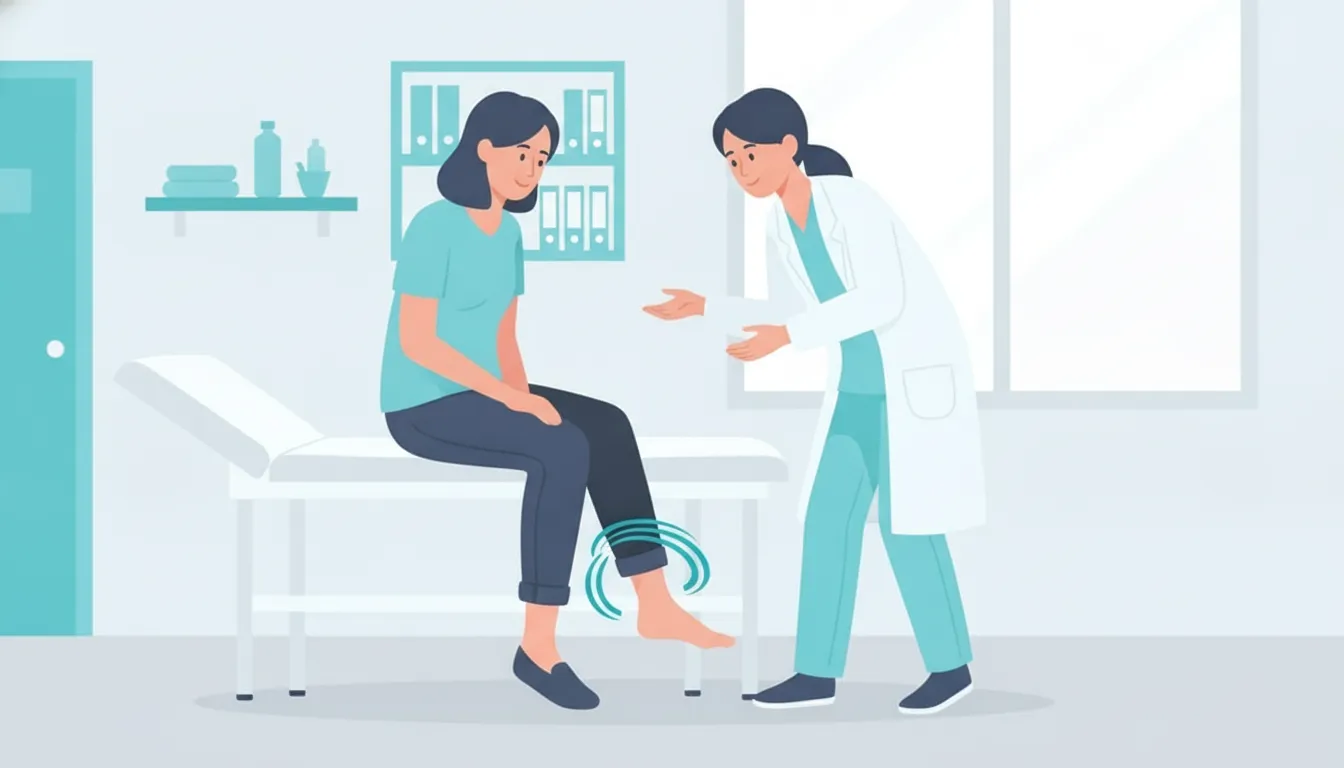
Why female life stage can matter
Female hormone changes may influence urate handling. Research has described estrogen as having a uricosuric effect, meaning it can help the body excrete uric acid. This may help explain why gout is less prevalent in premenopausal women than in men. It does not mean that younger women cannot develop gout, and it does not mean that menopause automatically causes the condition.
Instead, gout incidence in women tends to increase with age, particularly after menopause, as estrogen levels decline. This life-stage pattern is an association, not a diagnosis. A woman with new joint pain may have several contributing factors, and the presence or absence of a particular hormone state cannot identify the cause by itself. A clinician can consider the symptoms, medical history, and relevant findings together when deciding what should be evaluated next.
What Causes Gout in Females After Menopause?
Gout is less common in women before menopause than in men, but that difference does not mean women are protected from the condition. Research suggests that estrogen has a uricosuric effect, meaning it may help the body remove uric acid. This may help explain why gout is less prevalent among premenopausal women. The research review on gout in women describes this association without suggesting that estrogen status alone determines who will develop gout.
After menopause, estrogen levels naturally decline. The incidence of gout in women also increases with age, particularly after menopause, alongside that hormonal change. This pattern is an association, not proof that menopause itself causes gout. A person can have changing hormone levels without developing gout, and other health factors may affect how the body produces or clears urate.
Metabolic changes after menopause may also influence the picture. Changes in body composition, including shifts in fat distribution, may affect systemic inflammation and uric acid metabolism. These changes are one possible reason gout becomes more common later in life, but they do not make a diagnosis on their own. A clinician still needs to consider symptoms, medical history, medications, and other possible explanations for joint pain.
So, what causes gout in females after menopause? In general, gout develops when urate builds up and forms crystals in or around a joint. The post-menopause decline in estrogen may be one factor associated with higher urate levels and increased risk. However, many people with elevated serum urate never develop gout, according to the National Institute of Arthritis and Musculoskeletal and Skin Diseases.
Menopause is therefore best understood as part of a broader risk picture, rather than a standalone cause. Blood pressure, diabetes, kidney health, family history, alcohol intake, diet, and certain medications may also matter. Those factors can help guide a more complete discussion when sudden or recurring foot or joint pain develops.
Which Risk Factors Can Raise Gout Risk in Women?
Several factors can make it more difficult for the body to keep urate, a form of uric acid, at a healthy level. A risk factor does not prove that gout is causing a painful joint, and some people with elevated urate never develop gout. However, the combination of health conditions, medications, family history, and daily habits can affect susceptibility. This is an important part of understanding what causes gout in females without assuming that one symptom or one lifestyle choice explains everything.
| Risk factor. | How it may affect risk. |
|---|---|
| High blood pressure or diabetes | These conditions are associated with higher gout risk in women and may occur alongside other metabolic or kidney-related factors. |
| Reduced kidney function | The kidneys help remove uric acid from the body. If the body removes too little, urate can build up. |
| Some medications | Diuretics used for high blood pressure can increase gout risk by causing the body to retain more uric acid. |
| Family history | Gout can be inherited, so a family history may increase susceptibility even when a person makes thoughtful health choices. |
| Alcohol, especially beer | Alcohol consumption, particularly beer, is associated with increased gout risk. |
| Fructose-sweetened drinks | Frequent intake of beverages sweetened with fructose is strongly associated with increased gout risk. |
| Diet and body weight | Dietary patterns, purine-rich foods, obesity, and a higher body mass index are recognized modifiable risk factors. |
These factors often overlap. For example, a woman may have a family tendency, reduced kidney function, and a medication that affects uric acid handling. Another woman may have no known family history but drink fructose-sweetened beverages regularly or have a higher body weight. That does not make either person responsible for a flare, and it does not mean that changing one factor will prevent gout.
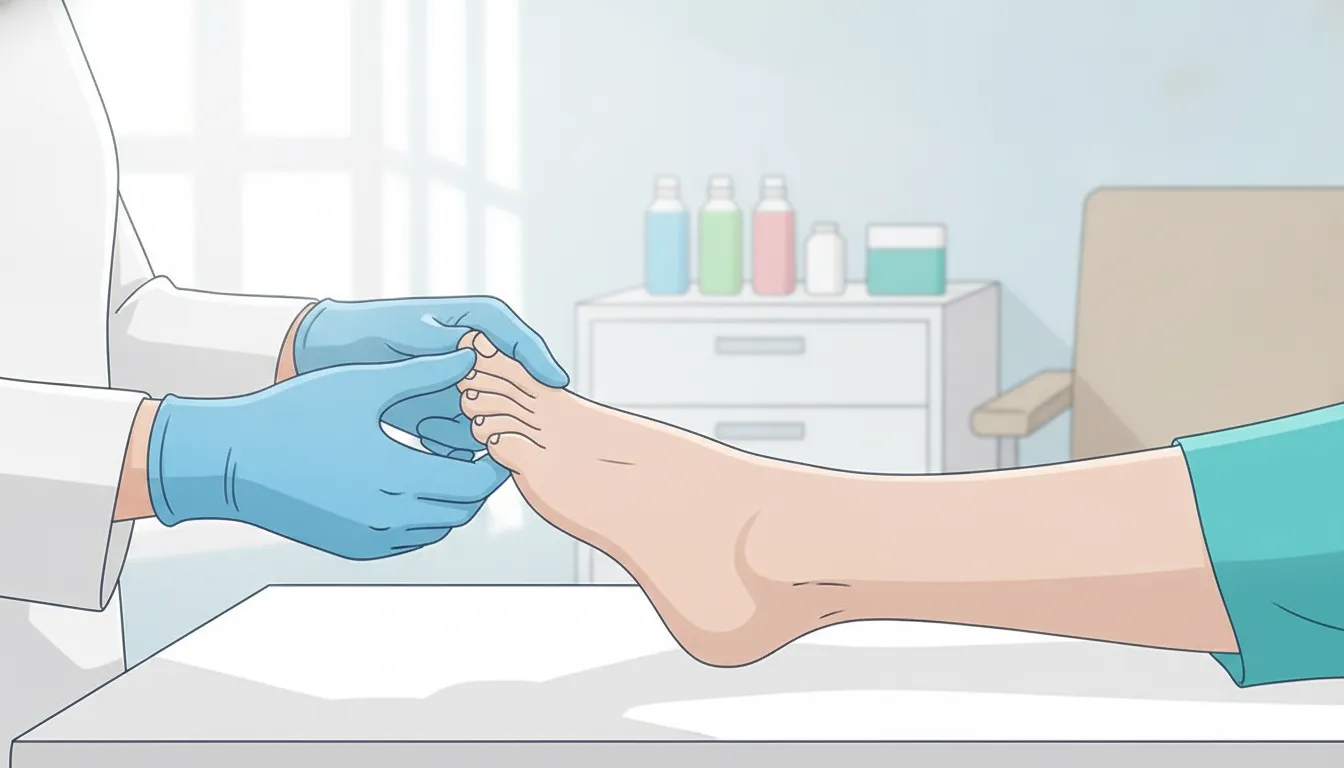
Diet is best viewed as one part of the larger picture rather than a self-diagnosis tool. Our guide to dietary triggers for gout offers additional context, but do not make individualized diet changes or stop a prescribed medication without discussing it with the clinician who manages your care. A medical evaluation can consider symptoms, health history, kidney function, and medications together before determining what may be happening.
What Does a Gout Flare Feel Like in a Woman?
A gout flare can begin suddenly, sometimes at night, with intense pain in one joint. The big toe is a common starting point, but gout can also affect the ankle, knee, wrist, fingers, or elbow. The joint may feel hot, swollen, tender, and difficult to move. According to the Mayo Clinic’s overview of gout symptoms, pain is often worst within the first 8 to 12 hours after it begins.
There is not one symptom pattern that proves gout in women. A flare may involve these common features.
- Sudden, severe joint pain that makes walking or using the affected area uncomfortable.
- Visible swelling and warmth around the joint.
- Tenderness that makes light touch or pressure difficult to tolerate.
- Redness or a change in skin color over the inflamed area.
Skin appearance can vary from person to person. Redness may be harder to see on Black or brown skin, so the absence of obvious redness does not rule out inflammation. Paying attention to warmth, swelling, tenderness, and a rapid change in symptoms can provide useful information for a clinician.
Flares commonly improve over one to two weeks, although the timing and severity can vary. Similar symptoms can occur with an injury, another form of inflammatory arthritis, or a joint infection. That overlap matters because a symptom checklist cannot establish the cause. Even if a woman has risk factors such as menopause, kidney disease, or a family history of gout, those factors do not confirm a diagnosis. A clinician can evaluate the pattern of pain and swelling and determine what should happen next.
Seek immediate medical attention if a hot, inflamed joint is accompanied by a fever. This combination may indicate an infection and should not be assumed to be gout. For sudden or recurring foot and ankle pain without a fever, document when the pain started, which joint is affected, and how quickly swelling developed. These details can support a more useful evaluation.
When Should a Woman Seek Care for Sudden Foot Pain?
Sudden foot pain can have several possible causes, and a painful joint should not be self-labeled as gout based on symptoms alone. Pay attention to how quickly the pain developed, whether swelling or warmth is present, and whether the problem returns. The following steps can help you decide how promptly to seek evaluation.
- Seek immediate medical evaluation if you have a fever with a hot, inflamed joint. Sudden pain, swelling, and redness with fever may signal a joint infection, which needs prompt attention. Do not wait for the symptoms to resolve on their own. This warning applies whether the pain is in the big toe, ankle, knee, or another joint. Mayo Clinic advises immediate care when fever accompanies a hot, inflamed joint.
- Arrange an evaluation for new or severe pain that limits walking. Gout can affect the big toe, but it may also involve the ankles, knees, elbows, wrists, or fingers. The location and intensity of pain can provide useful clues, but they do not establish the cause. A clinician can consider gout along with other sources of sudden joint inflammation or foot pain.
- Do not ignore a flare that improves and then returns. Gout flares may resolve after a week or two, but recurring episodes deserve assessment rather than repeated self-treatment. Untreated or recurrent gout can lead to worse pain and joint damage, according to Mayo Clinic. Earlier evaluation may help clarify whether an ongoing condition is contributing to repeated symptoms.
- Consider your broader health history when discussing the pain. Tell the clinician about medications, kidney concerns, blood pressure or diabetes diagnoses, family history, and whether you are post-menopausal. These details can help place sudden pain in context, but a risk factor does not prove that gout is the cause.
- Contact a Katy podiatry practice when symptoms are sudden, severe, or unexplained. Advanced Ankle & Foot provides specialized foot and ankle evaluation in Katy for painful joint symptoms. Bring a list of current medications and note when the pain began, which joint is affected, and whether you have experienced similar episodes.
Request an appointment for sudden or unexplained foot pain.
Prompt, appropriate care can help you understand what may be causing the pain and what next steps are reasonable for your situation.
How Is Gout Evaluated Without Assuming the Cause?
A painful, swollen joint can have more than one possible explanation. A clinician therefore looks at the full picture rather than deciding that gout is present because a person has a certain symptom, health condition, diet, or medication history. These details can help identify risk, but they do not prove that gout is the cause.
Gout develops when urate, a substance formed as the body processes certain compounds, builds up over time and can form needle-shaped crystals in and around a joint. However, many people with elevated serum urate never develop gout. That distinction matters: a risk factor or an abnormal result may be part of the evaluation, but it should be interpreted alongside the patient’s symptoms and clinical findings. Sources: National Institute of Arthritis and Musculoskeletal and Skin Diseases.
The timing and pattern of pain can also provide context. A sudden flare may affect the big toe, but gout can involve the ankle, knee, wrist, fingers, or another joint. Symptoms may be especially intense during the first several hours and can recur over time. Even so, appearance and symptoms alone cannot reliably identify the cause of inflammation. Redness may also be harder to see on Black or brown skin, so a person should not dismiss significant warmth, swelling, or pain simply because redness is subtle.
Evaluation is especially important when pain keeps returning or does not settle. Untreated or recurrent gout can be associated with worsening pain and joint damage. A hot, inflamed joint accompanied by fever requires immediate medical attention because infection is possible. If you are in Katy and need help understanding sudden or recurring foot pain, Advanced Ankle & Foot can evaluate the broader clinical picture. Learn more about gout treatment options and the next steps that may be appropriate for your symptoms.
Request an appointment before reading the frequently asked questions.
Frequently Asked Questions
What causes gout in females?
Gout develops when urate, a substance produced as the body processes purines, builds up and forms needle-shaped crystals in a joint. The answer to what causes gout in females may include changing estrogen levels, family history, kidney-related factors, certain medications, alcohol, or diet. A risk factor does not prove that a painful joint is gout, and many people with high urate never develop symptoms. The National Institute of Arthritis and Musculoskeletal and Skin Diseases explains gout and urate buildup.
How does menopause affect gout risk?
Gout risk in women tends to increase with age, particularly after menopause, when estrogen levels decline. Estrogen has a uric acid-lowering effect, so this life-stage change may influence how the body handles urate. Menopause alone does not establish a diagnosis, but new or recurring joint pain deserves an appropriate clinical evaluation. This relationship is described in a review published through the National Library of Medicine.
Can high blood pressure or its medication raise gout risk?
High blood pressure, diabetes, and chronic kidney disease are associated with higher gout risk in women. Some diuretics used to manage hypertension can also increase uric acid retention. Do not stop or change a prescribed medication on your own. Instead, discuss your full medication list and medical history with the clinician evaluating your symptoms. Mayo Clinic provides background on diuretics and gout risk.
When should sudden foot pain be evaluated?
Seek prompt medical advice for sudden, intense pain, swelling, or warmth in the big toe, ankle, or another joint, especially if episodes recur. Gout flares can last one to two weeks, and untreated or recurrent gout may contribute to worsening pain or joint damage. Seek immediate care if a hot, inflamed joint occurs with fever, because an infection is possible. A Katy foot and ankle clinician can help evaluate the cause rather than relying on symptoms alone.
Schedule a Foot and Ankle Evaluation in Katy
Sudden or recurring foot and ankle joint pain can have several possible causes, and a clinician can help evaluate your symptoms in context. If you are concerned about gout or another source of joint pain, contact Advanced Ankle & Foot to discuss the next step. Request an appointment for an evaluation in Katy, TX.